- Sports 150
- Posts
- Athlete Brands, AI Trust, and Global League Expansion
Athlete Brands, AI Trust, and Global League Expansion
The NBA targets $1B franchise fees in Europe and Michael Phelps builds a post-Olympic empire, while 63% of fans now trust AI content.


Good morning, ! This week we’re looking at the NBA’s infrastructure push in Europe, the domestic media rights value of the Australian Open, trust in AI generated sports content keeps increasing, and Michael Phelps story from olympian to entrepreneur.
Sponsor spotlight: In Affinity’s survey of nearly 300 private capital professionals, deal sourcing is still priority #1 for 2026—but bandwidth is the constraint. The 2026 Predictions report shows how firms are tightening data ecosystems and automating sourcing workflows to surface better opportunities faster. Read the Report →
MEDIA & SPORTS
Broadcast Bucks Over Baseline
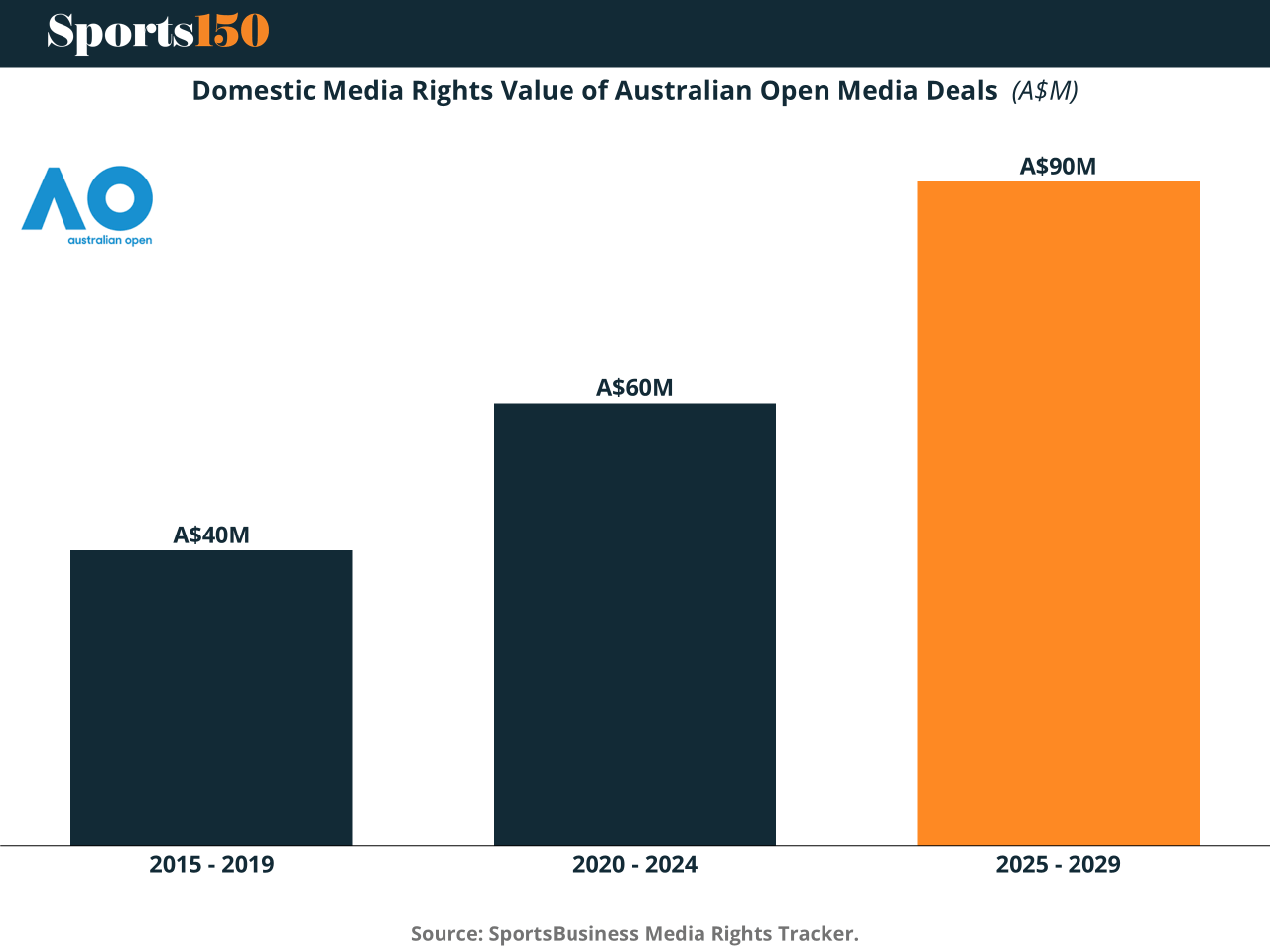
Forget gate receipts — media rights have become the MVP of the Australian Open’s business model. Annual domestic broadcast revenue will hit ~A$90M in 2025, a 125% jump from 2015. That surge isn’t buying better cameras — it’s directly funding record-breaking prize money, now at A$111M for 2026. Players from the first round to the finals are seeing double-digit increases, with winners pocketing $4.15M.
This is less about generosity and more about strategy: better pay attracts deeper fields, richer narratives, and bigger audiences, which in turn inflate the next broadcast deal. Tennis Australia has effectively monetized January — turning a two-week tournament into a three-week content engine, streamed, clipped, and monetized across global platforms. Wimbledon: take notes. (More)
PRESENTED BY AFFINITY
One-third of dealmakers are now spending 21–40 hours every week just researching companies. That's half a full-time job before a single conversation happens.
In Affinity's survey of nearly 300 private capital professionals, deal sourcing remains their top priority for 2026. But the real bottleneck is having the bandwidth to evaluate opportunities before competitors do.
The firms pulling ahead are automating the manual research work, surfacing higher-quality targets faster, and protecting their teams from drowning in data.
Supporting our sponsors supports our free newsletters. Please support our sponsors!
INVESTOR CORNER
The NBA’s Next Asset Class
The NBA’s push into Europe isn’t about flags—it’s about infrastructure. Early discussions around a new European competition include $500M–$1B franchise fees, with interest from private equity and sovereign wealth funds. That pricing signals how global leagues are now viewed: long-duration, cash-flowing assets.
The opportunity is structural. Basketball penetration across Europe is deep, but monetization remains fragmented, split among domestic leagues and continental tournaments. An NBA-backed platform would centralize governance, professionalize media rights, and standardize commercialization, importing the same levers that have driven valuation expansion in U.S. sports.
This isn’t fandom expansion—it’s model replication. If executed well, investors gain exposure to scarcity-driven franchises, global sponsorship, and recurring media revenue.
Bottom line: The NBA is exporting a league playbook—and inviting institutional capital along for the ride. (More)
ENTREPRENEURS
Michael Phelps from Olympian to entrepreneur
Michael Phelps’ post-competition career is less about celebrity monetization and more about disciplined brand extension. Instead of chasing one-off endorsements, Phelps built operating leverage around credibility, health, and longevity.
The core asset is the Phelps swim brand, developed with Aqua Sphere, which targets serious swimmers rather than mass lifestyle consumers. The strategy prioritizes margin durability and brand trust over scale, a quieter but more defensible lane in a crowded athlete brand market.
Phelps has also leaned into mental health as a platform, not a slogan. Through the Michael Phelps Foundation and equity exposure to wellness platforms, he positioned authenticity as a moat. For investors, the signal is not philanthropy. It is category alignment. Mental health, performance wellness, and recovery sit at the intersection of sports, healthcare, and enterprise benefits.
The takeaway is structural. Phelps optimized for long-term relevance, not short-term cash extraction. His model favors fewer bets, tighter narrative control, and adjacency to secular growth markets. That approach may compound slower, but it compounds cleaner, which matters as athlete-backed capital becomes more scrutinized. (More)
TECH & INFRASTRUCTURE
Why AI Sports Media Is Scaling Faster Than Planned
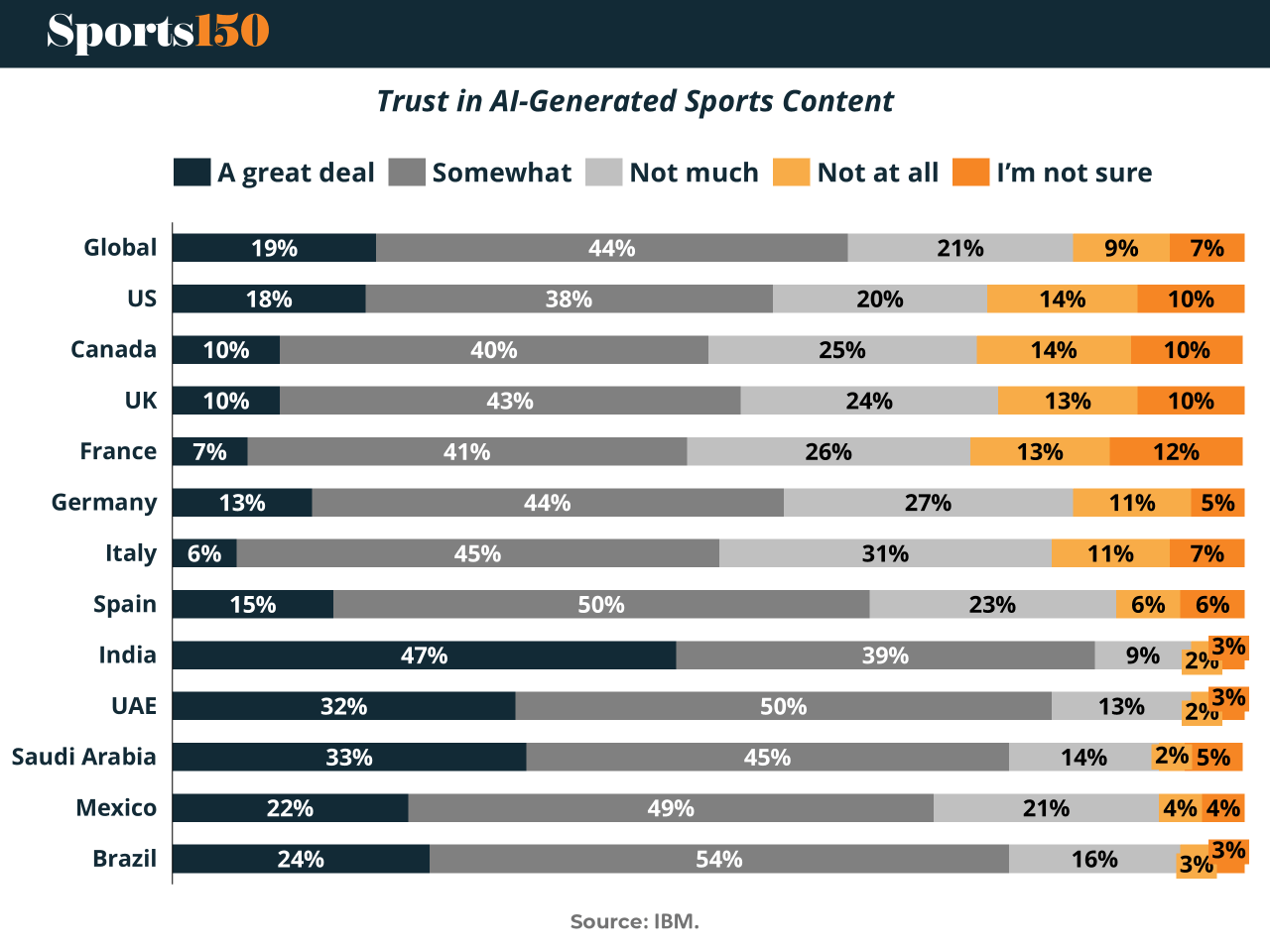
AI adoption usually stalls on trust. Sports media is the exception. New data shows 63% of global fans trust AI-generated sports content to some degree—opening the door for algorithm-driven highlights, analysis, and personalization at scale.
The geographic split matters. Asia and Latin America lead on trust, with markets like India, Brazil, Mexico, Saudi Arabia, and the UAE showing strong comfort with AI-led content. India stands out, where nearly half of fans report high trust, while Latin America skews toward “somewhat”—a sweet spot for rapid adoption.
North America and Western Europe remain more skeptical, reflecting different expectations around editorial control and legacy media norms.
For leagues and broadcasters, the message is clear: AI-native infrastructure—from automated highlights to multilingual feeds—will scale first in mobile-first, high-trust markets.
Bottom line: AI is no longer experimental. It’s becoming core sports media plumbing. (More)
eSPORTS
AI Art Backlash Is Becoming a Competitive Risk, Not a Culture War
The backlash against AI-generated art in video games is no longer cosmetic. It is now a measurable risk vector for esports ecosystems built on long-lived franchises.
Recent fan reactions to Call of Duty: Black Ops 7 and Clair Obscur: Expedition 33 show how quickly AI usage can spill into boycott threats, award disqualifications, and creator pushback. For esports, this matters because competitive titles depend on trust, community buy-in, and long-tail engagement, not just launch-week sales.
If a title becomes culturally “toxic,” tournament organizers, sponsors, and streamers face downstream exposure. Brand partners do not want to underwrite controversy tied to labor displacement narratives. Publishers then face a tradeoff between marginal cost savings and ecosystem fragility.
The strategic signal is clear. AI is being accepted in invisible layers like QA, NPC behavior, anti-cheat, and analytics. It is being rejected in visible creative outputs that define identity and lore. Esports publishers that misjudge this line risk eroding player goodwill, shortening title lifecycles, and compressing franchise value.
For investors, the takeaway is not anti-AI. It is governance. How AI is deployed will increasingly shape competitive durability, sponsor alignment, and monetization stability across esports titles. (More)


TWEET OF THE WEEK
PUBLISHERS PODCAST
No Off Button: Real leadership shows up after the frameworks fail.
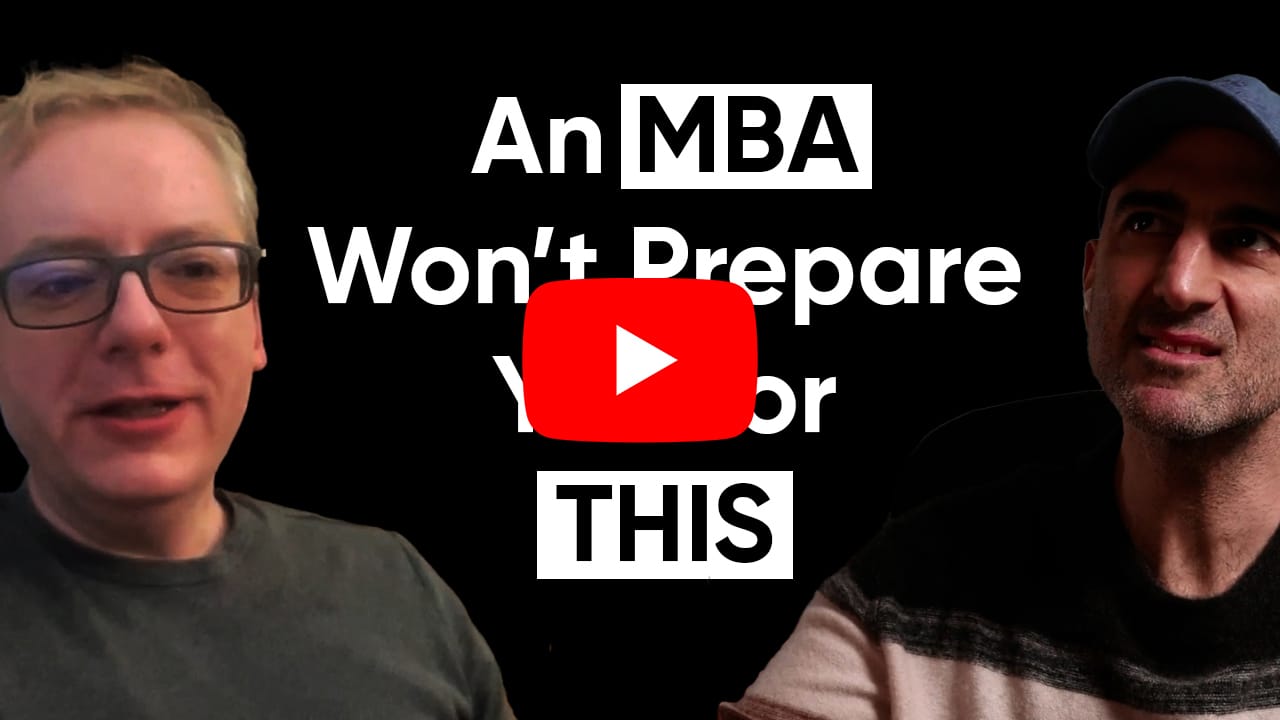
In this episode, Aram sits down with Konstantinos Papakonstantinou to unpack the uncomfortable gap between formal education and real-world execution. They get into why degrees, playbooks, and neat frameworks tend to break down when capital is at risk—and how judgment is actually forged through ownership and consequence.
The conversation zeroes in on decision-making under pressure, accountability, and the kind of lessons teams only learn when outcomes are real and reversible mistakes are gone.
Why PE should care: returns aren’t driven by credentials—they’re driven by operators who can make clear calls with imperfect information, carry responsibility, and execute when it counts.
Watch the full conversation and see what holds up when theory meets reality.
Affinity helps PE deal teams capture relationship activity automatically and see firm-wide connections — so you move faster with less manual work.
Supporting our sponsors supports our free newsletters. Please support our sponsors!
"If you don't like something, change it. If you can't change it, change your attitude."
Maya Angelou