- Sports 150
- Posts
- Robots, Sensors, and the Silent Revolution in Sports Field Management
Robots, Sensors, and the Silent Revolution in Sports Field Management
Investors chasing edge in the sports infrastructure market may want to look down—literally. The latest investment frontier isn’t in scoreboards, suites, or streaming apps. It’s in the turf.
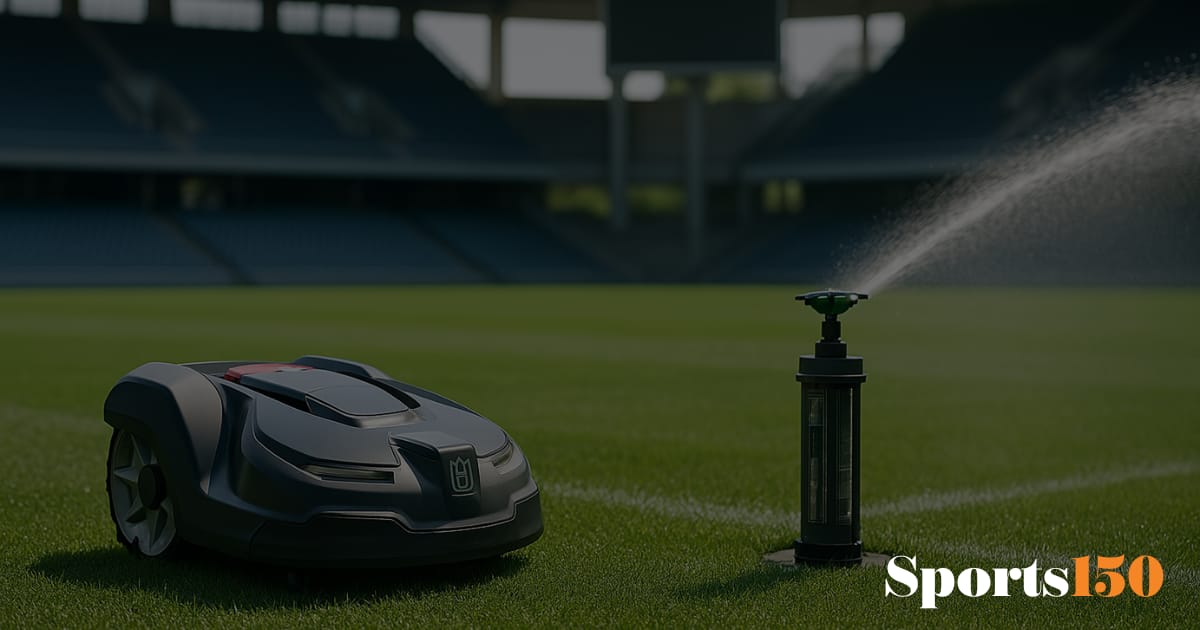
A wave of automation is quietly transforming how fields are maintained, driven by technologies like robotic mowers, GPS-guided line markers, and intelligent irrigation systems. The ROI isn’t flashy, but it’s compelling: lower labor costs, improved sustainability metrics, and precision execution at scale.
The automation thesis in field management fits a broader trend: smart infrastructure that reduces OpEx while meeting rising standards for environmental performance. In an era where ESG and efficiency are often paired, intelligent turf management delivers both.
Take robotic mowers. These units run autonomously, follow optimized patterns, and mow daily with millimeter-level precision. The result: healthier turf that requires less fertilizer, fewer disruptions, and no staff overtime. More importantly, they replace manual labor with upfront capex—a trade institutional investors are comfortable underwriting.
GPS line marking robots are another fast-scaling tool. Traditionally a labor-intensive task requiring manual chalking and measurement, line painting can now be handled by machines that use GPS to draw field markings with exacting accuracy. For sports facilities juggling multiple layouts—football, soccer, lacrosse—this flexibility matters. Accuracy drives consistency; consistency protects revenue.
Then there’s irrigation. Modern robotic systems go beyond scheduled watering. They use real-time sensor data—soil moisture, weather, turf condition—to determine exactly when and how much to irrigate. In regions facing water stress or regulation, the ability to cut usage without sacrificing quality isn’t just responsible; it’s economically prudent.
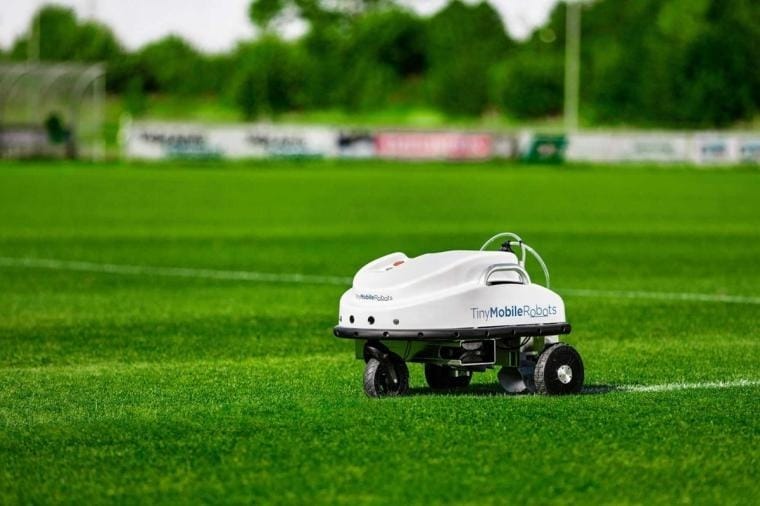
Critically, these systems also create new data streams. Field managers can now access dashboards that track turf health, moisture levels, and usage intensity. This makes performance predictable—and capital planning smarter. Over time, operators can benchmark against peers, forecast maintenance needs, and integrate with broader facility systems.
From an investment lens, what makes this space appealing is its non-cyclicality. Unlike consumer trends or media valuations, sports fields require upkeep regardless of viewership or merch sales. Municipal parks, training grounds, and second-tier stadiums still need lines painted and grass mowed. That’s a sticky, recession-resilient services layer—now tech-enabled.
Companies like Turf Tank (field marking), Husqvarna (robotic mowers), and Rain Bird (intelligent irrigation) are gaining traction with universities, municipalities, and pro clubs alike. Some operate via leasing or SaaS-like service contracts, further aligning with infra investor playbooks.
The bottom line: In a capital-heavy sector that’s long prized visibility and real assets, robotic turf tech offers something new—repeatable efficiency with measurable impact. For investors, it’s not just about smarter maintenance. It’s about how automation on the field sidelines can unlock higher margins and longer asset lifecycles.
Field ops used to be maintenance overhead. Now, they’re a line item of opportunity.